As the chill of winter approaches, there’s nothing worse than a temperamental heating system. If you’re a homeowner or landlord in South Wales, ensuring a warm, cosy home is paramount. It may be time to invest in a new combi boiler installation. But where do you start? From selecting the right boiler to finding a reputable installer, this article will guide you through the entire process.
Are you tired of skyrocketing energy bills and inconsistent heating?
Combi Boiler Installations South Wales – Key Takeaways
- Choosing the right boiler for your property is essential for efficiency and cost savings
- Finding a qualified installer ensures a safe and reliable installation
- Upgrading to a new boiler can improve energy efficiency and reduce your carbon footprint
- Understanding the installation process helps you prepare and avoid surprises
- Regular servicing extends the life of your boiler and maintains performance
Choosing the Right Boiler for Your Property
Selecting the perfect boiler isn’t just about picking the newest model. Your decision should be based on your property’s unique requirements and your heating needs. Modern boilers come in various types, and understanding these differences can save you money and hassle in the long run.
For instance, the size of your property plays a crucial role. A small flat may only need a compact combi boiler, while a larger home might benefit from a conventional boiler. Combi boilers are popular because they heat water on demand, eliminating the need for a hot water cylinder and saving space. On the other hand, conventional boilers are ideal for homes with higher hot water demands and can be paired with a hot water storage tank.
Energy efficiency ratings are another vital factor. Boilers with higher ratings can significantly reduce your energy bills. Look for models with an A-rating for efficiency. Not only do they consume less fuel, but they also produce fewer emissions, making them environmentally friendly.
When considering a boiler, brand reputation is key. Established brands like Worcester Bosch, Vaillant, and Ideal are known for their reliability and longevity. These companies offer extended warranties, which provide peace of mind and protect your investment. Speaking of warranties, always check the warranty options available. A longer warranty often indicates better quality and service support.
Lastly, user reviews can offer valuable insights. Real-world performance and customer satisfaction are best measured by those who have already installed the boilers you’re considering. Take the time to read reviews and testimonials to gauge the reliability and performance of different models.
Finding a Qualified Boiler Installer in Cardiff
Once you’ve chosen the right boiler, the next step is finding a qualified installer. This isn’t a task you should take lightly. The right installer will ensure your boiler is installed safely and efficiently, providing years of reliable service.
Start by looking for accreditations and certifications. Qualified installers will have credentials from recognised bodies like Gas Safe Register. These certifications verify the installer’s expertise and ensure they meet all safety standards.
A local installer’s reputation can tell you a lot about their service quality. Check online reviews and ask for recommendations from friends or neighbours. Positive feedback and high ratings are good indicators of reliability and customer satisfaction.
Experience is another crucial factor. An installer who has been in the business for many years will have encountered a wide range of scenarios and will be well-equipped to handle any challenges that arise during the installation process. Don’t hesitate to ask about their experience and previous projects.
Transparent pricing is essential to avoid unexpected costs. A reputable boiler installation company will provide a detailed quote outlining all expenses. This includes labour, parts, and any additional services. Make sure you get a written estimate before any work begins.
Lastly, consider the aftercare services offered by the installer. A good installer will provide support after the installation, including annual servicing and emergency repairs. This ensures your boiler remains in top condition and any issues are promptly addressed.
Benefits of Upgrading to a New Boiler
Why should you consider upgrading to a new boiler? The benefits are numerous and can significantly enhance your home’s comfort and efficiency.
One of the most compelling reasons is improved energy efficiency. Modern boilers are designed to use less fuel while delivering better performance. This translates to lower energy bills and reduced environmental impact. For example, condensing boilers can achieve efficiency levels of up to 98%, making them a smart choice for eco-conscious homeowners.
Enhanced heating performance is another advantage. New boilers provide more consistent and reliable heat, ensuring your home stays warm and cosy even on the coldest days. No more cold spots or waiting ages for the heating to kick in.
Upgrading to a new boiler can also reduce your carbon footprint. Energy-efficient models produce fewer emissions, contributing to environmental protection. This is an important consideration, especially as we all strive to reduce our impact on the planet.
Modern boilers come with advanced features that offer greater convenience and control. Many models now include smart thermostats, which allow you to adjust your heating remotely via your smartphone. This means you can always come home to a warm house without wasting energy.
Finally, installing a new boiler can increase your property value. A modern, efficient heating system is an attractive selling point for potential buyers. It shows that the property is well-maintained and up-to-date with the latest technology.
Understanding the Boiler Installation Process
Understanding the boiler installation process can help you prepare and avoid any surprises. Knowing what to expect can make the experience smoother and less stressful.
The process typically starts with an initial consultation. During this phase, a heating engineer will assess your heating needs and discuss your options. They’ll consider factors such as your property size, existing heating system, and hot water demand.
Next, a site survey will be conducted. This involves a thorough inspection of your property to determine the best location for the boiler and assess any installation requirements. The engineer will check for suitable flue positions, ventilation, and space for the boiler.
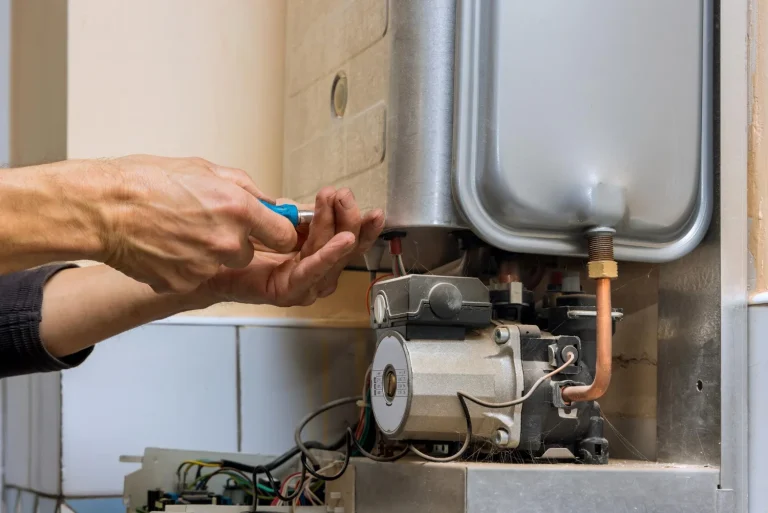
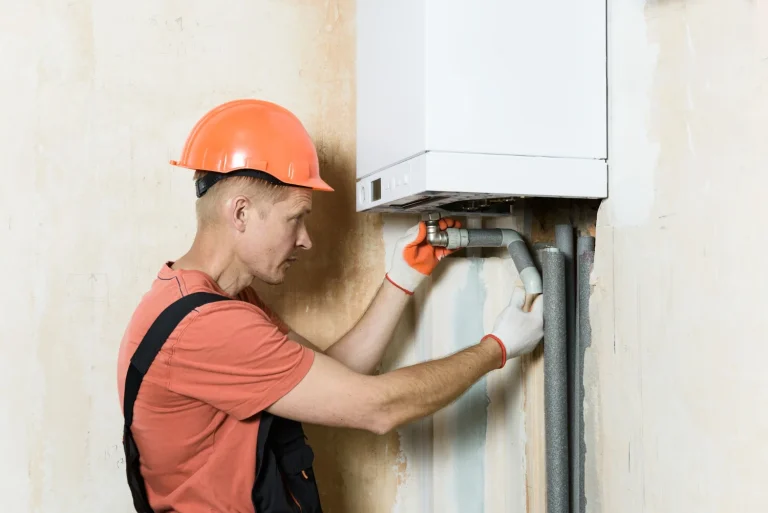
The professional installation is the most critical step. A qualified installer will remove your old boiler, if necessary, and install the new one. This includes connecting it to your heating system, setting up the flue, and ensuring all components are properly fitted and secure. Safety and compliance with regulations are paramount during this stage.
After the installation, the engineer will perform system testing. This involves checking that the boiler and heating system are working efficiently and safely. They’ll also ensure that the controls are functioning correctly and that there are no leaks or issues.
Finally, the installer will conduct a handover and provide instructions on how to use your new boiler. They’ll explain the controls, maintenance requirements, and any warranty information. This ensures you’re fully equipped to operate and care for your new heating system.
Importance of Regular Boiler Servicing in Wales
Regular boiler servicing is crucial to maintain efficiency, performance, and safety. It’s not just about keeping your boiler running smoothly; it’s about protecting your investment and ensuring your home stays warm and safe.
Annual servicing is recommended for all boilers. This routine check-up helps maintain efficiency and performance. An engineer will clean and inspect the boiler, checking for any wear and tear or potential issues. Regular servicing can improve your boiler’s lifespan and prevent unexpected breakdowns.
Early detection of issues is another benefit of regular servicing. Small problems can be identified and fixed before they become major, costly repairs. This proactive approach can save you money and inconvenience in the long run.
Compliance with warranty conditions is another important reason to service your boiler annually. Many manufacturers require regular servicing to keep the warranty valid. Failing to service your boiler could void your warranty, leaving you unprotected if something goes wrong.
Safety checks are a crucial part of boiler servicing. Engineers will ensure your boiler operates without any hazards, such as gas leaks or carbon monoxide emissions. This is vital for the safety of your home and family.
Regular maintenance also extends the longevity of the boiler. A well-maintained boiler will last longer and perform better, giving you more value for your money. It’s a small investment that pays off in the long term.
Factors to Consider Before Boiler Installation
Before installing a new boiler, there are several factors you need to consider to ensure you make the right choice for your home and budget.
First, assess your current heating system compatibility. Some boilers may not be compatible with your existing system, so it’s important to choose a boiler that works seamlessly with your setup. This includes considering whether you have a system boiler or a conventional boiler.
Your hot water demand is another crucial factor. If you have a large family or multiple bathrooms, you’ll need a boiler with a higher capacity to meet your hot water needs. Combi boilers are great for smaller homes with lower hot water demands, while conventional boilers are better suited for larger properties.
Budget is always a consideration when making a significant investment like a new boiler. Determine how much you can afford to spend and look for options within that range. Keep in mind that while cheaper boilers might save you money upfront, they may not be as efficient or reliable in the long run.
Installation space is another important factor. Ensure you have enough room to accommodate the new boiler and any additional components, such as a hot water cylinder or expansion tank. Some modern boilers are designed to be compact and can fit into smaller spaces, making them a good option for homes with limited space.
Lastly, consider the potential disruption during installation. Installing a new boiler can be a complex process that might require modifications to your existing system. Plan for any potential disruptions and discuss them with your installer to minimise inconvenience.
Common Issues with Older Boilers in South Wales
Older boilers can present a range of issues that affect their performance and reliability. Understanding these problems can help you decide whether it’s time to upgrade to a new boiler.
One common issue is frequent breakdowns. Older boilers are more prone to failures, which can cause significant inconvenience and discomfort, especially during the colder months. Constant repairs can also be costly and time-consuming.
Inefficiency is another major problem with older boilers. They often consume more fuel to produce the same amount of heat, leading to higher energy bills. Modern boilers are designed to be much more efficient, reducing your energy costs and environmental impact.
Outdated technology means that older boilers lack the modern safety and efficiency features found in newer models. This can include things like advanced controls, better insulation, and improved combustion systems. Upgrading to a modern boiler can provide these benefits and more.
Inconsistent heating is another sign of an ageing boiler. You might notice cold spots in your home or that some rooms take longer to heat up. This can be due to wear and tear on the boiler’s components, reducing its ability to distribute heat evenly.
Lastly, higher repair costs make maintaining an older boiler uneconomical. As parts wear out and become harder to find, repair bills can quickly add up. In many cases, investing in a new boiler can be more cost-effective in the long run.
Ensuring Energy Efficiency with a New Boiler Installation
Energy efficiency is a key consideration when installing a new boiler. An efficient boiler not only saves you money but also reduces your environmental impact.
Choosing the correct boiler size is crucial for optimising energy use and cost savings. An oversized boiler will waste energy, while an undersized one will struggle to heat your home effectively. A heating engineer can help you determine the right size based on your property’s needs.
Modern boilers often feature condensing technology, which improves efficiency by capturing and reusing heat from the exhaust gases. This can significantly reduce fuel consumption and emissions. Look for condensing boilers with high-efficiency ratings to maximise these benefits.
Smart thermostats are another great addition to a new boiler installation. These devices allow you to control your heating remotely and set schedules to match your lifestyle. This not only adds convenience but also helps you use energy more efficiently.
Proper insulation is essential for enhancing overall system performance. Insulating your pipes and hot water cylinder can reduce heat loss and improve your boiler’s efficiency. This is a simple yet effective way to save energy and money.
Lastly, regular maintenance is vital for keeping your boiler running efficiently. Annual servicing ensures that all components are clean and functioning correctly, preventing any drop in performance. This helps maintain your boiler’s efficiency and extends its lifespan.
Summary
Installing a new boiler in South Wales can provide numerous benefits, from improved energy efficiency and enhanced heating performance to reduced carbon footprint and increased property value. Choosing the right boiler, finding a qualified installer, and understanding the installation process are crucial steps to ensure a successful upgrade. Regular servicing and considering factors like budget, hot water demand, and installation space will help you make an informed decision. Upgrading your boiler not only keeps your home warm and cosy but also contributes to long-term savings and environmental protection.
What steps will you take to ensure your home stays warm and energy-efficient this winter? Share your thoughts and experiences in the comments below!
Feel free to reach out for any further assistance or questions about boiler installation in South Wales!
Frequently Asked Questions
How much does a combi boiler cost with installation?
The cost of a combi boiler with installation can vary depending on the brand, model, and size of the boiler. On average, you can expect to pay anywhere from £2,000 to £4,000 for a new combi boiler installation in South Wales. It’s best to get quotes from multiple trusted companies to compare prices and services.
How much does a combi boiler service cost UK?
The cost of a combi boiler service in the UK typically ranges from £70 to £120. It’s recommended to have your boiler serviced annually to ensure it is running efficiently and safely. Regular servicing can also help prevent costly repairs and prolong the lifespan of your boiler.
Can a plumber install a combi boiler?
Yes, a qualified plumber with the necessary Gas Safe certification can install a combi boiler. It’s important to hire a professional with experience in boiler installations to ensure the job is done correctly and safely. Make sure to ask for references and check the credentials of the plumber before hiring them.
How much should I charge to install a boiler?
The cost to install a boiler can vary depending on the complexity of the job, the type of boiler being installed, and the location. On average, you can expect to pay between £500 and £1,500 for a boiler installation in South Wales. It’s best to get quotes from multiple reputable companies and compare prices before making a decision.